Spring into action this Autumn

Once again it’s that time of year when “strictly come dancing” graces us with its presence  on national television. I love this programme and it’s always very thought-provoking: Celebrities of different ages and gender of mixed ability and fitness levels volunteering to dance in what can only be described as ” a scary live and very intimidating pressurised environment ” being scrutinised by millions. How will they cope with it all you wonder ? Some will embrace the experience and be able to jump out of their comfort zones, and as Len Goodman ( the lead judge) says  ” Give it some welly” whereas conversely others will perhaps feel emotionally that they have bitten off more than they can chew and are unable to deal with the demands of what is being asked of them to do in terms of physical endurance, and an ability to learn perhaps something very technically difficult to master and perform within a short space of time. Let’s not forget these professional dancer’s are the pick of some of the best acclaimed dancer’s worldwide, many have been dancing since they were young children.

Can you imagine the sheer enjoyment and love that it brings to you  when you are doing something that you are passionate about. Dancing like any other sport is so good for you in every sense. You are exercising and your endorphins kick in and you begin to feel so much better, fitter – more alive. This idea of doing any physical activity is great for the body, heart and mind – the list goes on.  When we are struggling with problems be they physical, mental, emotional or anything that impacts on us as human beings, sometimes springing into action is the best remedy, not just in Autumn when Strictly Come Dancing fever is here or when Andy Murray wins Wimbledon, but whenever you are able to because the benefits are endless.
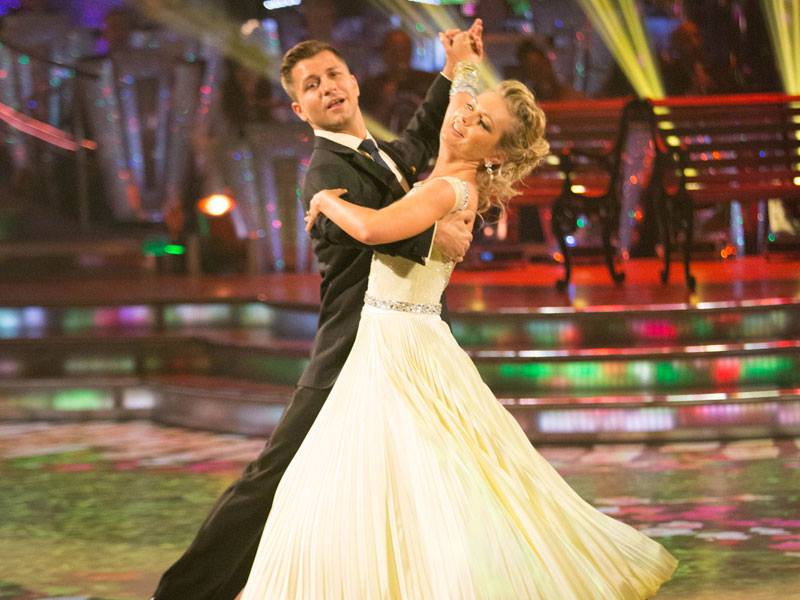
Dancing is good for the heart

Writing…

I am not sure how many people read these blogs, but it would be great to receive some comments occasionally! I have always loved writing – as a child I use to write a diary; I obviously wrote alot while studying, I write scientific articles as part of my research work, I have just started writing a novel (watch this space) and I write this blog every month. 

The psychologist Pennebaker has carried out a great deal of research on this subject and he found that writing is good for our emotional and physical wellbeing, especially as a cathartic act after a traumatic event and even when it’s just made up. So please feel free to join in – what do you like writing about? Writing

Seaside Rocks

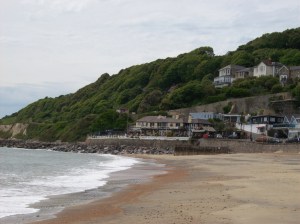
Beach IOWResearch presented at the BPS conference last year found that most British people preferred the seaside as a holiday destination and that it aided their emotional well being. Perhaps it’s the sound of the waves or the way that the light reflects from the water, or maybe the association with happy childhood memories? Maybe even a collective memory of our evolutionary history when we are thought to have lived in the sea. Having recently spent time away with my husband, mother and daughter I could say it’s all those things. You come back refreshed both physically and mentally, almost regardless of the weather!

Hope in our time

Rainbow

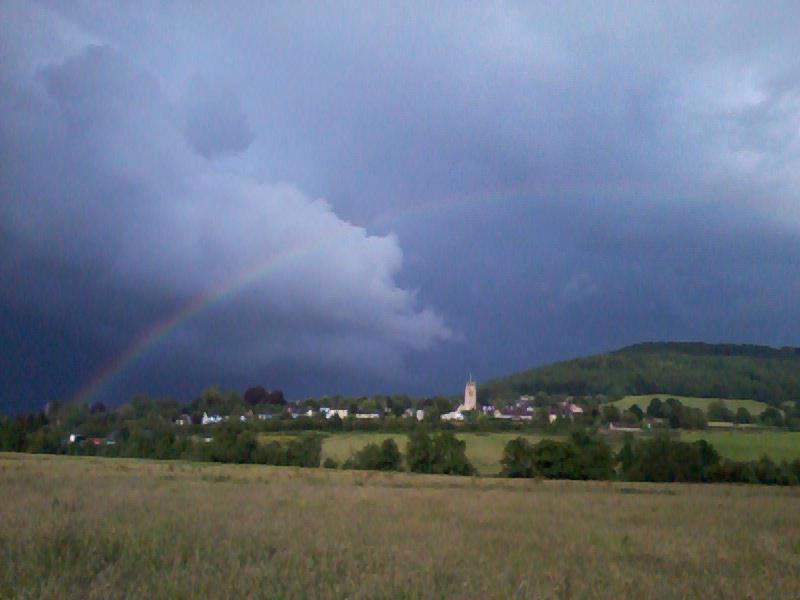
A rainbow is supposed to be a symbol of hope, not necessarily of good weather! I am reading a book at the moment entitled  “The Better Angels of our Nature” by a well-known psychologist called Steven Pinker. This is about how violence in civilised societies has decreased over the last few centuries, especially since the 1990s. Some may find this surprising, particularly since a soldier was attacked and killed on the streets of London by fundamentalist Muslims only last week. However Pinker’s statistics are convincing and his arguments robust. Therefore we do have reasons to be hopeful about the future for our children.

Irritable Bowel Syndrome

I heard recently that a young student in Southampton committed suicide as a result of not being able to cope with IBS. The sad thing is that a health psychologist would have probably been able to help her. IBS is a classic example of how the body and mind sometimes don’t work together in an ideal manner. A friend of mine who studied this for her PhD found that a CBT intervention worked very well with people living with IBS. Unfortunately GPs do not refer to health psychologists; and there are still very few health psychologists working within the NHS. So we either work in academia and/or privately. A student probably wouldn’t be able to afford £40 a week, but her parents may have done…

Birthday stories

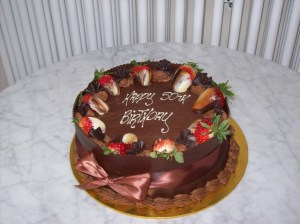
It was my birthday in March and I noticed that there were a lot of other birthdays in March too, amongst my family and friends; this got me thinking back to something said on “thought for the day” about how it can bolster our self-esteem, if we are told a good story about our birth. As I was born in the 60s and I was the eldest I was born in a maternity home, probably not too dissimilar from the one in “Call the Midwife” – except there were cockroaches on the floor and my mother had to keep her slippers on the bed! My father was not allowed to be there and if I had been a boy I would have been called Christopher, but was instead named after my father Jack. Then when my parents took me home the dog thought I was one of her puppies. I could tell similar stories about my children’s births. If your parents are still alive why not ask them about yours?Birthday cake

February Love?

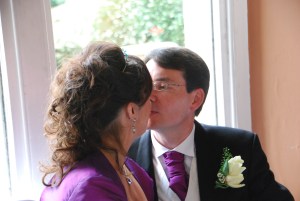
Lots of couples get married on Valentine’s day, but according to The Psychologist this month there are lots of different types of love story (Sternberg 2013): I don’t see myself as a house wife, but I think of my love story as being a mix of a cookbook (doing things a certain way results in a relationship being more likely to work out), gardening (relationships need to be continually nurtured) and sewing (love is whatever you make it); and definitely not horror, war or a game. What about your love story – is it: Addiction, Art, Business, Collection, Fantasy, History, Mystery, Police, Science or Theatre?

However some people are not with a partner…

Wedding kiss


…and some card shops are now selling cards for other members of your family – which is fine as we all need social support in whatever form it takes, especially when going through painful times; so make the most of whatever love you have in your life.

January Blues?

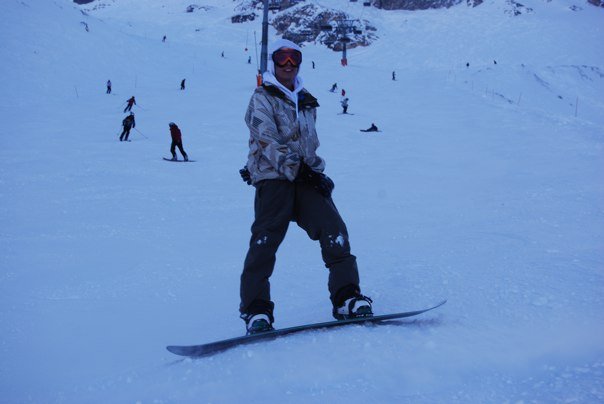
If you’re anything like me you won’t be enjoying this time of year -it’s cold, clothes are tight and money’s tight! Or maybe you enjoy skiing or snowboarding? Spring seems a long way off but the days are gradually getting longer. Give yourself something to look forward to, but also find comfort in getting back to a normal routine and a healthy diet. The Psychologist this month is a special issue on individual differences – we’re all different in the way we look and the way we behave – thank goodness – who would want to live in a world of stepford wives?
Enjoy snowboarding?

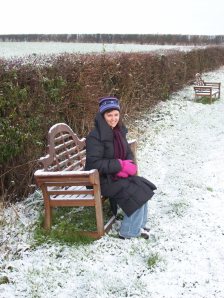
Cold white Christmas?

Jacqueline

So Christmas is almost upon us and it can be a stressful time of year, but my tips for enjoying it and feeling less stressed are to remember:

  • Christmas dinner is just a roast
  • The only decorations that matter are the ones on the Christmas tree!
  • Presents don’t have to be perfect
  • It’s a time to spend with those you care about
  • It’s a celebration of the birth of baby Jesus

Also as a wise person once said “Don’t wast energy trying to empty your life of worrying things, when you could be filling your life with wholesome things”

Autumn, Pain and PTG!

I love the Autumn -but some people get SAD (seasonal affective disorder) at this time of year – so make the most of it when the sun does shine – even if it’s just popping out in your lunch break. The cold weather can make it more difficult for those with joint pain – so it’s good to wrap up warm with chunky knits and cosy boots. A visiting patient said the other day that she thinks of pain as an ugly picture in the room which she doesn’t like but doesn’t look at even though she knows its there – do you think this is helpful? 

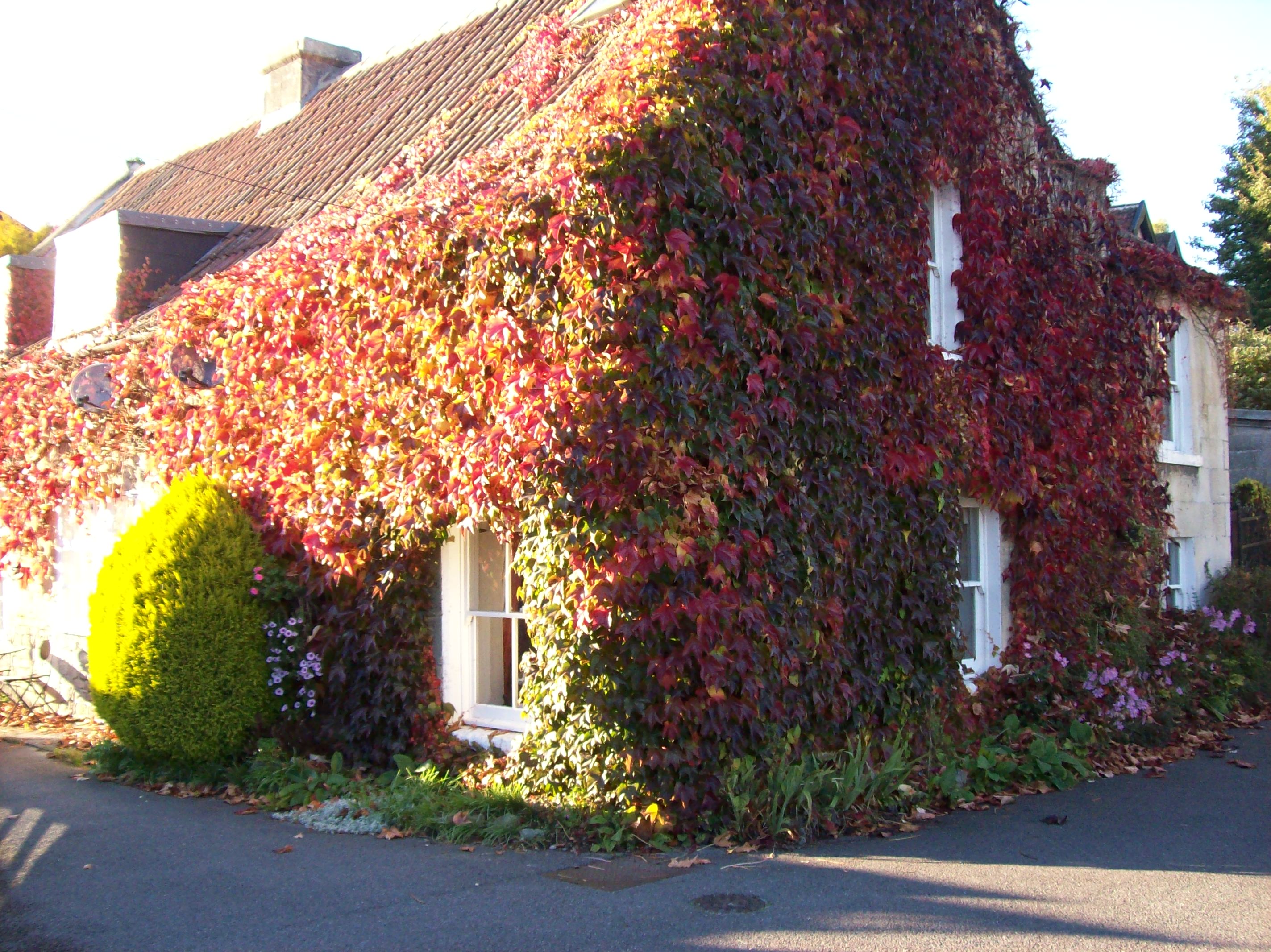
Virginia creeper in the Autumn

In the November Psychologist magazine I read an interesting article on PTG (post-traumatic growth) which I thought I would share – especially as I have had a car crash recently – a bit like that cheesy song “What doesn’t kill  you (stronger)” by Kelly Clarkson: “What is post-traumatic growth? After experiencing a traumatic event people often report 3 ways in which their psychological functioning increases: 

  1. Relationships are enhanced in some ways e.g. people describe that they come to value friends and family more and an increased sense of compassion for others.
  2. People change their views of themselves e.g. developing wisdom, strength and gratitude, perhaps coupled with a greater acceptance of their limitations.
  3. People describe changes in their life philosophy e.g. finding a fresh appreciation for each new day, becoming less materialistic and more able to live in the present. (Joseph 2012).”

Nature reflects this too – she dies in the Autumn and Winter and then comes to life again in the following Spring.