Hell is other people????

Crowd of peopleSartre said that hell is other people and sometimes that seems to be the case- think about last time you were on an over-crowded beach, or waiting for a busy commuter train at a London station, or queuing in a traffic jam, or trying to do Christmas shopping on a Saturday! Then you might just wish you could click your fingers and be on your own. However what about that brilliant concert or gig you went to? Or those hordes of well wishers on your wedding day? Or that sweaty dance floor? It wouldn’t be the same without those other people around you.

In fact the well known positive psychologist Martin Seligman talks in his latest book about the importance of connectedness with other people to our well-being. His “formula” for happiness is PERMA: positive emotions, engagement with the world, meaning, achievement and positive relationships. We all hopefully value our family and friends, but even in a crowd we can sometimes just share a positive moment with someone and that will add to our day. Also we can use the mindful practice of loving-kindness meditation on a regular basis which involves just thinking positive thoughts about the people in our lives- they are not always angels (as we are not either!) But sharing time with good people is certainly not hellish.

Green exercise…

Green exercise

Quite often, if I want to have some quiet time to be on my own, I take a walk up Solisbury Hill. This is green exercise – when we walk or ride our bikes in the countryside i.e. when we exercise outside – it is different from exercising in a gym. Research has shown that people who take part in green exercise often work harder or for longer than they normally would in the gym without even realising it, presumably because they are enjoying it more. I am not talking about a gentle stroll around the shops, but walking or cycling (or running even) where you get out of breath for at least 3 minutes and a bit sweaty!

You can really be in the moment when out walking too – for example you can feel the sun on your face and look at the butterflies and hear the birdsong – so green exercise is good for mental health as well. Even better if there is no time limit.

Dealing with disappointment…

Head in Hands

Life often seems full of disappointments – either big ones like not getting a second date with that guy you really like, not getting a cure for that chronic condition you are living with or not getting that job after doing a brilliant interview; and trivial ones too e.g. not getting those tickets for that concert, not losing weight before your holiday or not finding the last piece of the jigsaw. It is too easy to say we wouldn’t get disappointed if we didn’t have expectations – after all we’re human!

The Dalai Lama talks about the two arrows of suffering – the first is the hurt that arrives in our life over which we have no control and the second one is the way we deal with it – which we do have a choice about – we can dodge that arrow or take it out. In other words we can develop coping strategies. However there is often a time gap between the two arrows I think – or we can create one if we need it i.e. we can allow ourselves time to lick our wounds and process the feelings – it is okay to be upset sometimes – so we can take a time out for that.

Positive emotions…

Ten-positive-emotions

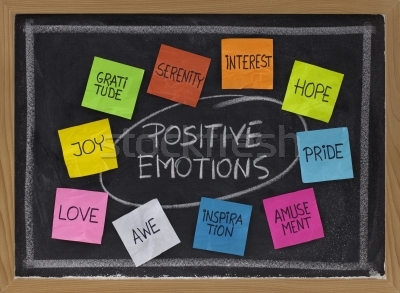
Recently I have been taking part in a MOOC (a multimedia on-line open-access course) about positive psychology – led by Dr Barbara Fredrickson. I have really enjoyed learning about the 10 most important positive emotions (as listed in the picture) and how noticing and embracing them more than negative emotions can have a positive effect on our physical and mental wellbeing. The ideal is to have 3 positive emotions for every one negative one.

She renames love as positive resonance and explains how we can increase this in our lives and therefore help our own health and others’ wellbeing, by using loving-kindness meditation and/or making the most of micro-moments of shared connections with other people we meet in our daily lives. This doesn’t have to be just our family and close friends, but can be anybody we meet.

Questions…

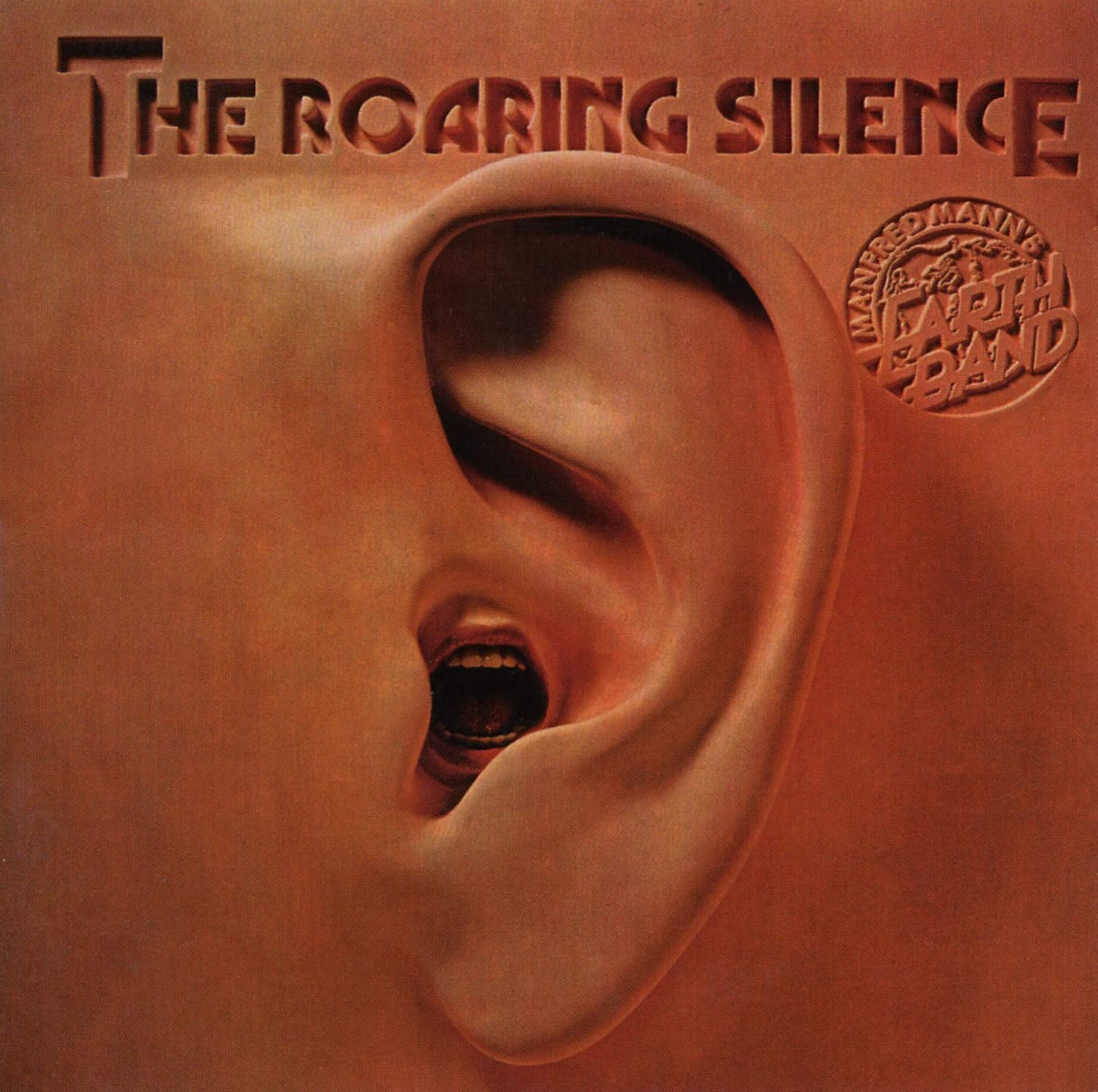
On one of Manfred Mann’s albums there is a song called “Questions”. I have some questions that are making me think more than usual at the moment; partly as a result of reading  “A Briefer History of Time”  by Stephen Hawking – which I was inspired to do after seeing the film “The Theory of Everything”. He talks about space-time being the 4th dimension and how one cannot exist without the other and also about how our universe is forever expanding (not shrinking as The Muse suggested!). In which case where is heaven? If it is outside the universe then how can it function without space or time? (It certainly puts paid to any ideas about ghosts.)


Also as a psychologist I have often questioned the Christian idea of the soul. Psychologists talk about the self not the soul and even Christians no longer believe the soul is in the heart; if pushed they may say it is in the brain. Yet the brain is just white and grey matter and neurons – no soul there? Also the self can change and does so drastically when someone gets dementia so ….?

It seems as I get older I have more questions than answers – maybe that is a sign of wisdom?!The Roaring Silence (Remastered)

Changes…

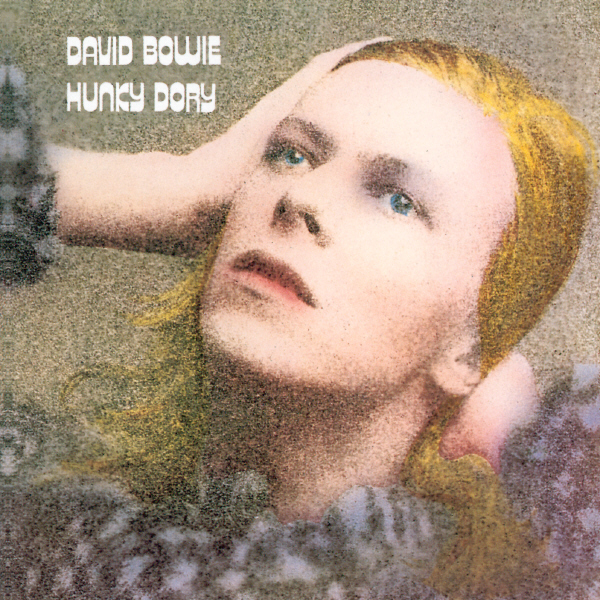
David Bowie“Changes” in the words of David Bowie can be facing the strange. So how many of you are still keeping your new year resolutions? (Mine are a work in progress so I cannot really comment!) My daughter said the other day that new year resolutions should not be just a fad but a life change – easier said than done.

As a health psychologist I have learnt a huge amount about behaviour change, but one of the theories I am going to talk about today is one favoured by exercise/sport psychologists: namely self-determination theory – SDT (Deci & Ryan) which suggests that there are three important aspects of changing behaviour: (i) be autonomous i.e. you choose how you are going to change your behaviour and what to do – don’t let anyone else decide that for you; (ii) competency – choose something that you have been successful at before or something you have a good chance of mastering i.e. be realistic; (iii) support – this is what it says on the tin e.g. an exercise buddy. Make plans too – be specific e.g.make a decision about which day and what time you are going to introduce this habit change.

Also SDT emphasis the importance of intrinsic motivation i.e. do something that you enjoy, so in the words of Bowie again – “Let’s Dance”?

Great expectations…

Xmas pressie downloadIs anyone feeling stressed about Christmas yet? Has anyone ever had that feeling of anti-climax on Boxing Day or soon after? This could be for one of two reasons – maybe we’re not looking after ourselves properly- it’s important to still exercise and eat healthily at this time of year- even if we’re having the odd mince pie as well and perhaps drinking up to our allowed limit! And it is important to still take time to be by ourselves- even if we are an extrovert.

I remember last Christmas I thought I would do a good thing and help out in Bath with a large lunch for the lonely, but I did not enjoy it at all (even though it was still a good thing to do); I was sat next to a gentleman who was deaf in one ear- I had a paranoid schizophrenic sitting opposite me and behind me another chap who had a problem with flatulence – and then to top it all the after dinner entertainment was a man with a ukulele! Luckily I can act- so I was a good host and plastered a smile on my face. However I did not get that buzz afterwards you sometimes get when you have helped someone.

I came to the conclusion that this was because my expectations were too high – the other reason why the 12 days of Christmas are often an anti-climax – this is often a problem for optimists! So this year I am going to spend Christmas with my children and have no expectations of how it will be- this way I think I will be able to enjoy a true Christmas gift- the present- whatever that may turn out to be.

Mindfulness

I have mentioned mindfulness before in previous blogs, but not in its own right. The blog about grounding is just one mindfulness technique – there are many and it is not just about meditating. It is about living in the present with acceptance and compassion, but without judgement. It is about being rather than doing – after all we are human beings; think about the last time you just lived right here, right now and just enjoyed what you were seeing or hearing or tasting or feeling just for its own sake. Small children are good at just being in the present – watch a toddler absorbed with playing with duplo for example – they are not worrying about the future or the past. It is amazing how much happier you feel when you practise mindfulness.

Some Christians have doubts about mindfulness because it originates in Buddhist thinking, but the techniques can easily be separated from the religion; even Jesus was mindful sometimes- in the gospels it refers to him saying- don’t worry about tomorrow – today has enough problems of its own.

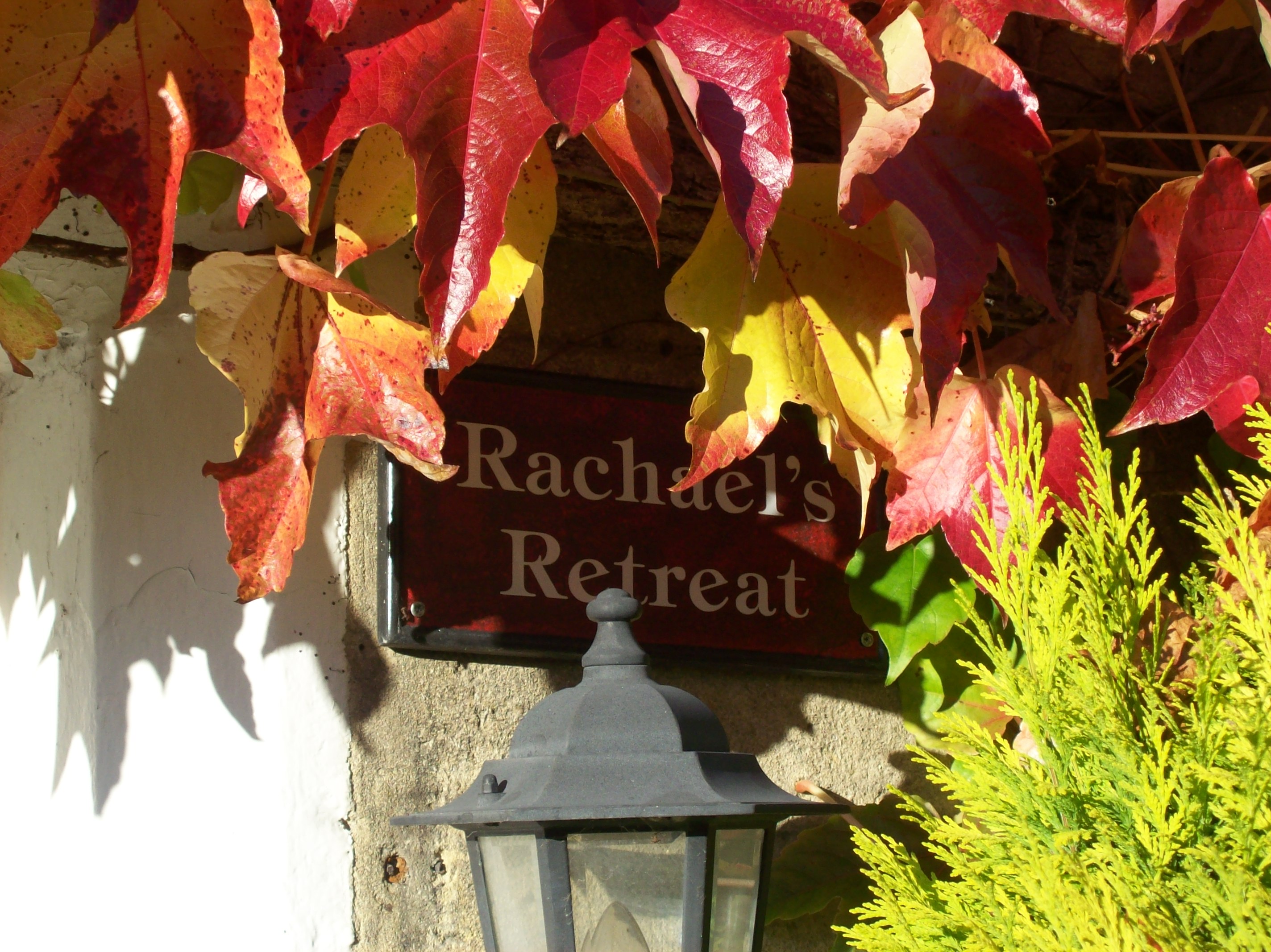
It doesn’t mean we become complacent and never make plans – there is a time for planning and a time for looking back on fond memories, but a lot of the time our minds are like hamsters on a wheel – just going over the same issues again and again- we can get off though when we want to. At the moment I am between salaried jobs and therefore spending more time at home (Rachael’s Retreat) and I am applying for new research posts, but I have found that I can be concerned about the future and yet not worry about it.

Our cottage


Forgive and forget?

The six main religions disagree on how many times you should forgive someone- but they all agree on one thing and that is forgiveness is a good thing- for your own peace of mind if nothing else. In time forgiveness is often possible once we have had the space needed to process our feelings, but forgetting is much more difficult. Like it says in the quote below – we actually may need to remember what we have learnt from the experience; and this sometimes may involve ending toxic relationships if they are harming us.

However forgetting is also difficult to do because we don’t really have any control on the thoughts that pop into our minds, but we can decide how we respond to those thoughts- a negative train of thought may pull up in the station of our mind and sit there next to the platform, but we can choose whether to get on board or not; and if we choose not to get on board, that train will eventually leave the station. It may come in again the next day- but we can deal with it in the same way.Quotes-about-life-on-life

Time is precious so do it now

Time is always disappearing, it never stands still and before you know it it’s gone. Surely since we cannot capture it, would we not consider it to be incredibly valuable? Yet I never cease to be amazed by the line which is uttered universally ” I did not have the time” .

Lots of people say and think oh I’ll do it later/tomorrow/next week or month or year, yet I wonder how many times in a lifetime one person sets out with intentions to do something, anything and before they realise the opportunity to do it, whatever it was has passed. To say that you are going to do something requires discipline, effort, endeavour and then the commitment to follow through with the action of the doing.

As time is clearly very precious indeed, I guess when we decide to delay or put off what we said or thought we had an intention to do, we are left feeling somewhat disappointed, perhaps holding on to regrets because the moment in time i.e. the opportunity to do it has been lost forever, it is too late now and that is that.

One hour alone consists of sixty minutes, I challenge you to sit just for five minutes alone, silent in a room and time yourself. When you think the five minutes are up get up and check, see how close you were to thinking that the five minutes had lapsed. Five minutes in silence is a long time! So if you agree with me that five minutes in silence is a long time then with yourflying clock new added perception of time which is clearly priceless just imagine what you are now going to do with the time you’ve got, but remember, time is precious so do it now.