January Blues?

If you’re anything like me you won’t be enjoying this time of year -it’s cold, clothes are tight and money’s tight! Or maybe you enjoy skiing or snowboarding? Spring seems a long way off but the days are gradually getting longer. Give yourself something to look forward to, but also find comfort in getting back to a normal routine and a healthy diet. The Psychologist this month is a special issue on individual differences – we’re all different in the way we look and the way we behave – thank goodness – who would want to live in a world of stepford wives?
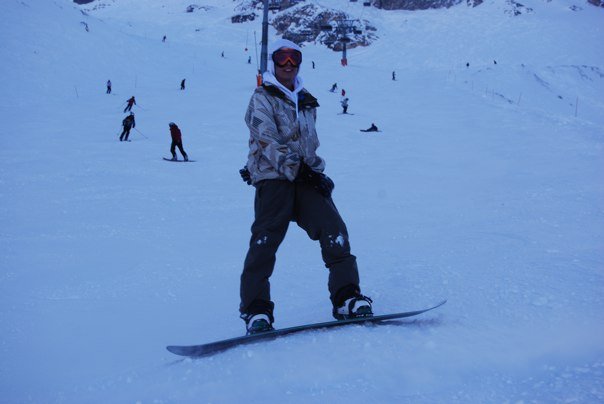
Enjoy snowboarding?

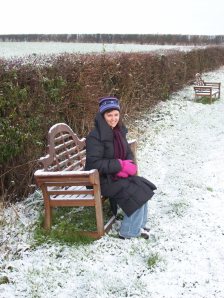
Cold white Christmas?

Jacqueline

So Christmas is almost upon us and it can be a stressful time of year, but my tips for enjoying it and feeling less stressed are to remember:

  • Christmas dinner is just a roast
  • The only decorations that matter are the ones on the Christmas tree!
  • Presents don’t have to be perfect
  • It’s a time to spend with those you care about
  • It’s a celebration of the birth of baby Jesus

Also as a wise person once said “Don’t wast energy trying to empty your life of worrying things, when you could be filling your life with wholesome things”

Autumn, Pain and PTG!

I love the Autumn -but some people get SAD (seasonal affective disorder) at this time of year – so make the most of it when the sun does shine – even if it’s just popping out in your lunch break. The cold weather can make it more difficult for those with joint pain – so it’s good to wrap up warm with chunky knits and cosy boots. A visiting patient said the other day that she thinks of pain as an ugly picture in the room which she doesn’t like but doesn’t look at even though she knows its there – do you think this is helpful? 

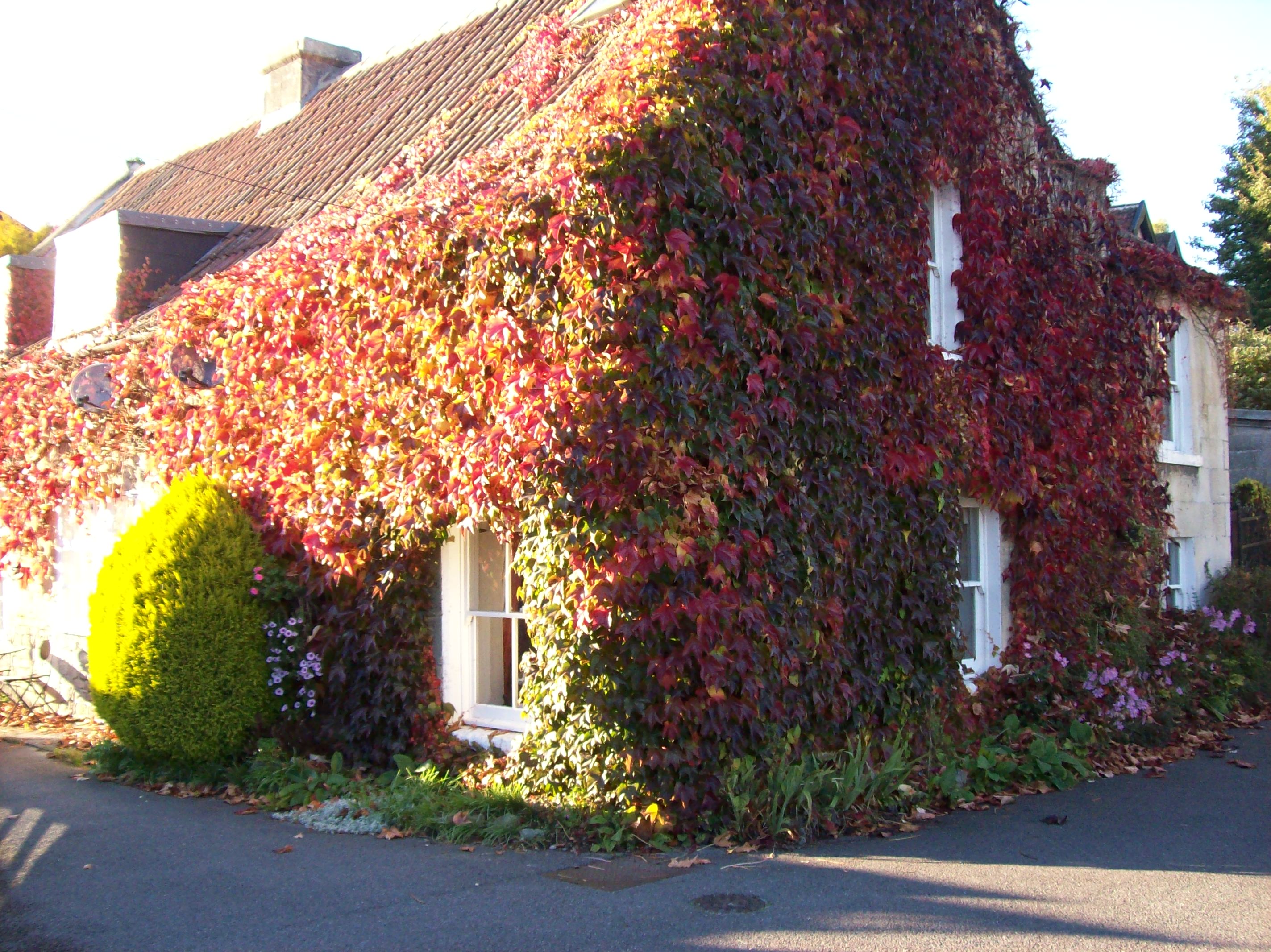
Virginia creeper in the Autumn

In the November Psychologist magazine I read an interesting article on PTG (post-traumatic growth) which I thought I would share – especially as I have had a car crash recently – a bit like that cheesy song “What doesn’t kill  you (stronger)” by Kelly Clarkson: “What is post-traumatic growth? After experiencing a traumatic event people often report 3 ways in which their psychological functioning increases: 

  1. Relationships are enhanced in some ways e.g. people describe that they come to value friends and family more and an increased sense of compassion for others.
  2. People change their views of themselves e.g. developing wisdom, strength and gratitude, perhaps coupled with a greater acceptance of their limitations.
  3. People describe changes in their life philosophy e.g. finding a fresh appreciation for each new day, becoming less materialistic and more able to live in the present. (Joseph 2012).”

Nature reflects this too – she dies in the Autumn and Winter and then comes to life again in the following Spring.

Health Psychology Conference

Division of Health PsychologyI attended a talk on health psychologists’ and counsellors’ conceptualisations of the process of change in clients with chronic health conditions. Both professions thought that changes can be prompted by expert techniques and counsellors in particular thought that love and safety lets changes happen.

The speaker concluded that, although counsellors and health psychologists have different agendas and different forms of appraisal, they both approached their therapeutic interventions in similar ways. In other words we have slightly different styles of working and different training, but ultimately both of us want to help people achieve positive outcomes and are capable of doing this. I think this typifies how Kevan and I work with our clients.