
 I used to be a bit of a head banger when I was an adolescent and apparently I still am! I don’t listen to heavy metal music anymore (except for the occasional Whitesnake track) but I did bang my head as a result of a fall the other day…So I am not talking about a little whack of the head when you hit it against a beam, but a heavy fall against a stone pillar, with – as the paramedics put it – a lot of claret (and I am not talking about falling because of booze!) This resulted in mild concussion which is also called a minor head injury and just because you don’t pass out and/or vomit or seem confused, it doesn’t mean you are not concussed…Often as a result of a minor head injury you can get post-concussion syndrome, which can last from a couple of weeks to 3 months… And as this is quite common, I thought it would be helpful to list some of the symptoms here:
- headaches
- some mild cognitive impairments such as forgetfulness / slow processing speeds / problems concentrating
- irritation
- tiredness / drowsiness / problems sleeping
- sensitivity to noise and/or light
- feeling tearful
- mild PTSD
- tinnitus
- fear of going out
A psychologist would be able to help you cope with any of these symptoms, even if they are not a neuropsychologist, or you can go to the Headway website where there are helpful leaflets to download and/or a helpline to ring…Headway suggest that in the first few days afterwards you don’t drink alcohol or drive long distances or play contact sport, but if the symptoms get worse and the headaches don’t respond to painkillers, then you should get checked out by your GP or go to A&E.
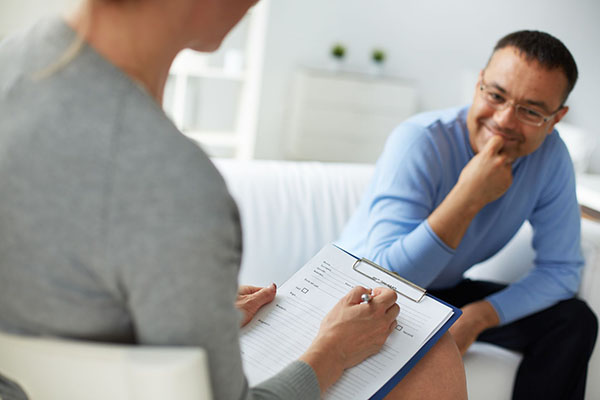

 I have had quite a few clients where drink has been a problem and I am not talking about alcoholism…rather the sort of dependency on drink which shows itself when someone can go all day without a drink, but once they open that bottle of wine they are unable to stop; and because they are drinking pretty much every day, they are having way over the recommended average weekly limit of 14 units… Often it can also make anxiety worse the next day too and/or exacerbate depression… Some of my clients work on this with me (as a health psychologist) successfully, but others can’t manage it and then drop out of therapy.
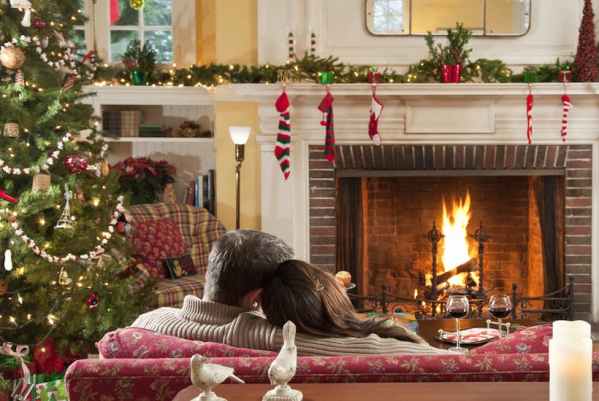 My husband would probably say that at this time of year I become a bit too fond of this Danish word! But it does seem a good way of making the most of the cold nights and dark evenings, especially during Advent and Christmas and even afterwards (unless you believe in dry January!) The nearest English translation is “cosy”- but it is more than that, as it also includes a sense of well-being with yourself and with others. E.g. Hygge for me would include a wood burner (with wet or snowy weather outside the window) flickering candles, warmth, simple but tasty food, red wine, lovely background music and good conversation with those I care about – in other words Hygge is better shared…So don’t worry if you haven’t got a Christmas or New Year’s eve party to go to; just snuggle up on the settee, put down your phone, light a candle, be grateful for the little things and enjoy the Hygge… Perhaps it is also about the contrast between light and dark, as well as the contrast between cold and warmth ? Which after all is what many of the Winter festivals are partly celebrating…
 Resolve your Pain