Stressed at Christmas?

  1. Don’t stop exercising just because you have eaten a mince pie – and remember that high intensity exercise, such as Zumba is better for those of us who are a little neurotic!
  2. Slow deeper breaths, with longer exhales are the best way to switch on the parasympathetic nervous system – blood pressure and heart rate lowers as do the stress hormone levels. However belly breathing takes practice and is best practised when already calm. Once mastered it is then more likely you will remember to do it when stressed.
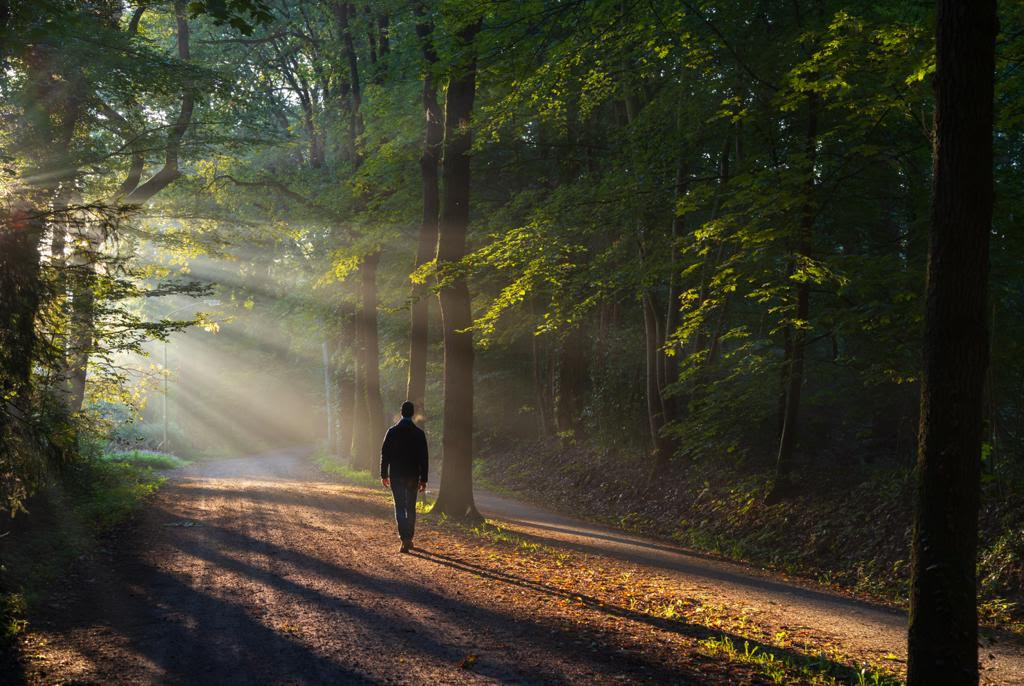
  3. Getting outdoors with nature is still evidenced as a good way to reduce stress levels – even if it is raining or snowing…and Christmas cards with robins on are telling us something i.e. the sound of birdsong is better for our wellbeing than the trees alone.
  4. Connection with others, even for introverts, is a good way of lowering anxiety and reducing low mood…And it doesn’t have to be just friends and family – it can be with strangers too. You might be surprised by the other person- they may well actually be interested in hearing what you have to say!
  5. Sharing hugs with appropriate people is also a good way to soothe and boost calmness…. You can even hug yourself with a butterfly hug, Simply cross your arms over your chest and tap your fingers on your upper arms….

Holiday?

  1. De-stress by exercising before you go – otherwise you will spend he first few days of your holiday de-stressing. I know there is alot to do at work and on the home front before going away, but exercise is so important – so keep it up…
  2. Leave work behind by putting out-of-office on your work emails. Don’t take your diary with you and don’t answer your phone to anybody from work while away…
  3. Make sure you are going on holiday with someone you care about and someone who cares about you. Families and close friends can usually be forgiving of any bad habits you have. But going on holiday with an acquaintance or a new friend is a sure fire way to lose that friendship!
  4. Try and learn some of the language before you go – the British are typically bad at expecting everyone in the whole world to speak English – and it can be fun – even if it’s just ordering off a menu…
  5. Avoid the back to work blues by having something to look forward to when you get back. And also by having little breaks most days e.g. lunch outside or a walk in the park or a swim at the weekend etc. etc.

Procrastination

Many people procrastinate, not just perfectionists and it isn’t usually about things we enjoy doing!

Sometimes we procrastinate because we find the task onerous – in which case we have to look at whether we really need to do it or not. If not we can either forget about it or pass it onto somebody else to do. If we do have to do it and it is not a huge task then we have to set a goal around it and then some specific action plans about when , where and how it is going to happen – don’t forget the road to hell is paved with good intentions – so we have to implement those intentions and not just wait until we feel like doing it.

Often though, we procrastinate because a task seems too overwhelming in either complexity or in size…so this is why I have posted a picture of some swiss cheese i.e. a type of cheese that can be broken off into small manageable chunks. You make a list or a flow chart or something similar that will break the large task down into much smaller sub tasks and then you just concentrate on the first task, without thinking about the others, even if you only spend 5 minutes on it you have then started it!

Is solitude a good thing?

I expect most people are now looking forward to seeing family and friends over the Christmas period, but come the new year some of those people will be then looking forward to some alone time. And this is not just the introverts! Just like introverts do need to connect with others, extroverts also need time on their own sometimes; and this personality variable is on a continuum anyway.

In October the Psychologist magazine looked at ways in which we can benefit from solitude and solitude is not the same as loneliness.

  1. Being on our own can calm us down and reduce anxiety.
  2. Time alone can give us space to be who we want to be.
  3. When on your own you can be more creative…
  4. It’s possible that more intelligent people benefit more from alone time.
  5. What you do while alone doesn’t matter as long as you have chosen it.
  6. Try not to be alone for more than three-quarters of your week, otherwise the benefit is reversed.
  7. Places can also be of your own choosing – so maybe when the Christmas rush seems all too much over the next few weeks – try and go for a walk on your own – you don’t necessarily need a dog to do it!

Wondering about the weather?

The Psychologist this Summer summed up some interesting recent research on the weather and perhaps this is salient to us Brits as we often have four seasons in one day!

  1. People are more likely to get road rage when it is hot.
  2. Judges give out harsher sentences when it is hot.
  3. Older people are more affected by hot days and nights, because their ability to regulate their body temperature goes down.
  4. Children born in the Summer can be more outgoing.
  5. We remember things better when it is raining!

Annoying spouses?!

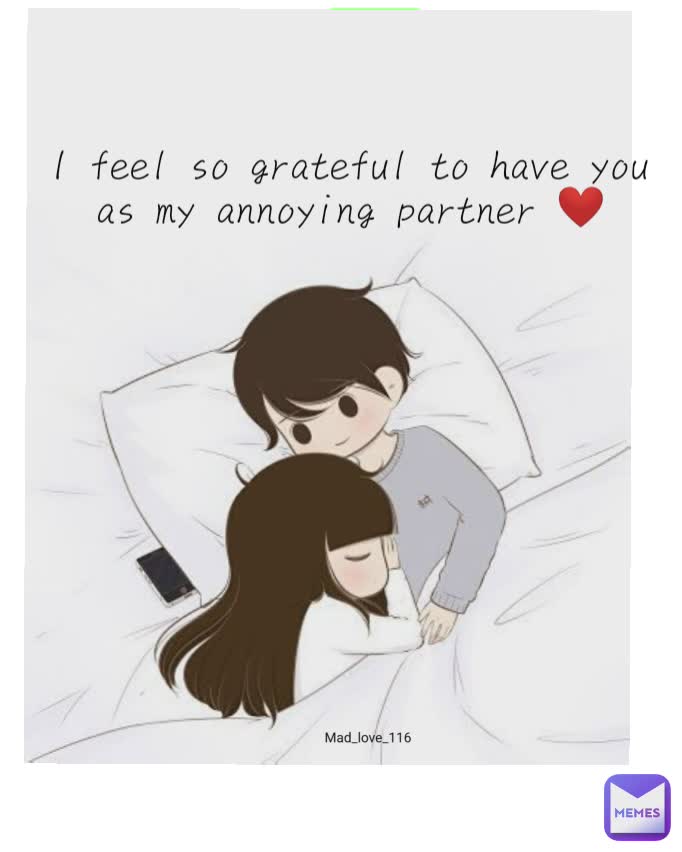
My husband and I recently celebrated 13 years of marriage and in fact we have been together for over 23 years…Most of my family and friends would agree we do bicker sometimes, so it amused me when The Psychologist magazine in March had an article on annoying partners.

Apparently a survey of British people found that a third considered their partner to be the most annoying person they know! There are some things, like snoring for example, that we can’t do anything about; but there are other common behaviours, like scrolling on your phone when someone is trying to talk to you, that you can alter… Also stress at work is something that partners often take home with them and that in turn can lead to over reactions about their partner’s behaviour…The good news is that as we get older we get better at managing tensions in our romantic relationships.

Good communication is key and that is something I often help my clients with. Obviously for serious problems the best option is to go to a couples therapist (which I am not!) And ultimately we cannot do anything to control another person’s behaviour -we can only control our own.

Acknowledgement comes first…

I find that many people respond to another’s mental or physical health problems with advice even if it isn’t asked for! There is nothing wrong with advice (as long as the offerer knows what they are talking about); after all I am a CBT therapist and I often give advice to my clients, as CBT is like a box of tools… However acknowledgment and empathy must come first, even if it’s as simple as: “That must be awful.” The sufferer wants to feel heard and they may choose to heed your advice or not – that is their prerogative.

Manifestation is magical thinking!

There seems to be a great deal on social media at the moment about manifestation and celebrities are talking about it too. Even BBC Radio Two had someone on this morning talking about a book they had written on it for children.

Manifestation is not goal setting and it is not visualisation – it is merely magical thinking where people believe that by wishing for something they are going to make it happen!

It is good to be optimistic, but if reframing failure carries on despite evidence to the contrary, then false hope and denial can become harmful. In fact in The Psychologist this month it talks about a study carried out where they found that manifesters were more likely to make risky financial decisions.

Music and Emotions…

This reminded me of an article in the Psychologist this month about sound and sensation being universally linked..i.e. listening to music can trigger goose bumps, make you feel sad or frightened or get you ready for dancing.

A study in Finland found that across cultures different types of music could evoke different emotions, which were then in turn linked to different bodily sensations…for example songs or music perceived to be sad were associated with the chest and the head….our emotional responses to music transcend cultural boundaries.

So life without music would be dry, but luckily the human voice can never be banned and anyone can sing!